Talk to our sales team
+55 11 5189-4120
Events
Event transfers: how to plan ground transportation for groups
Event transfers: how to build the flight manifest, size the fleet, organize the airport welcome and plan group transportation throughout the program.
 6 min read
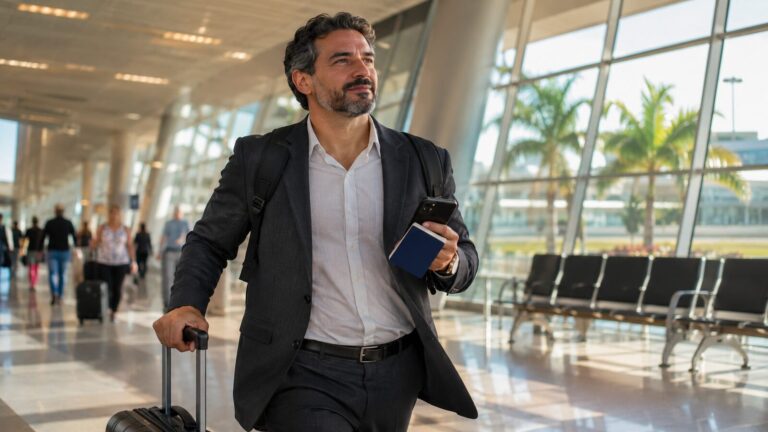
At a corporate event, ground transportation is the first and the last impression attendees take away. Someone who lands, finds a greeter holding a sign with the company name, boards a clean vehicle and reaches the hotel without having to ask anything starts the event in a good mood. Someone who waits 40 minutes outside the airport, unsure where to go, arrives at the opening session annoyed, and the organizers spend the first day putting out fires.
At ArrowTur, which has organized corporate travel and events since 1989, we plan transfers together with flights and hotels, because each depends on the others. This article shows how to set up the transfer operation for an event: from collecting flight details to sizing the fleet, from the airport welcome to transportation during the program.
Start with the flights, not the vehicles
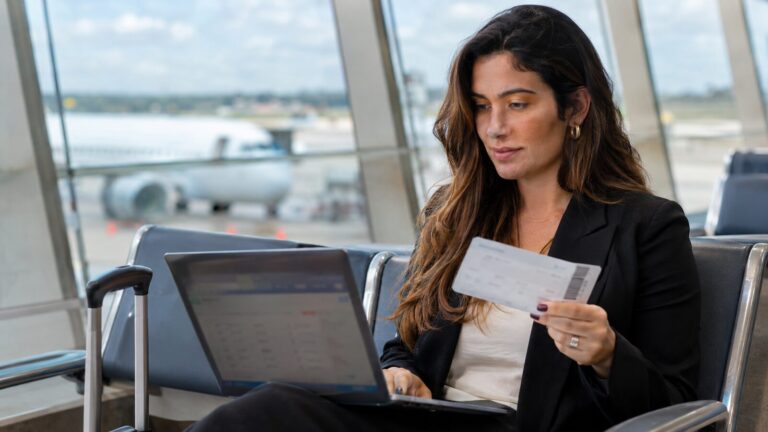
The most common mistake is hiring the fleet before knowing how attendees will arrive. Every transfer operation is built on an arrivals and departures manifest: a spreadsheet with each person’s name, flight, airport, date and time, plus their hotel and any special needs.
With the manifest in hand, it becomes clear:
- how many people arrive in each time slot and at which airport or terminal;
- where peaks call for larger vehicles and where cars or vans are enough;
- who arrives alone in the middle of the night and needs an individual transfer;
- which departure times at the end of the event concentrate the most people.
When the same agency books the group’s flights, the manifest is practically ready and is updated with every change. When attendees buy their own tickets, set a deadline for everyone to submit their flight details and follow up well in advance.
How to size the fleet
There is no single formula, but a few criteria help you get the size and type of vehicle right:
- Group by arrival windows: combining flights that land up to an hour apart usually balances waiting time and the number of trips. Wider windows save vehicles but leave people waiting.
- Match the vehicle to the group: executive cars for speakers and senior leaders, vans for small groups and minibuses or coaches for peaks. Confirm the real capacity with the supplier, including luggage.
- Count the luggage: attendees at multi-day events travel with large suitcases, booth materials or equipment. A coach full of people may not have room for all the bags.
- Keep a backup: a standby vehicle on the busiest days handles delays, unexpected flights and attendees who missed their slot.
Airport welcome
The welcome is where a transfer becomes more than transportation. A good operation includes:
- greeters in the arrivals hall with a sign showing the event or company name;
- an up-to-date list of who is on each flight, with contact phone numbers;
- real-time flight tracking, so vehicle departures can be adjusted to delays and early arrivals;
- a message sent to attendees beforehand explaining where to find the team and what to do if the flight is late;
- a clear meeting point at airports with more than one terminal.
Also agree on a no-show rule: how long the vehicle waits, who tries to reach the attendee and how they continue if they miss the transfer.
Transportation during the program
At events with activities outside the hotel, such as dinners, site visits or tours, internal transfers matter as much as arrivals. A few precautions:
- set departure times with a margin and publish them in the program, the event app or the event’s messaging groups;
- with large groups, schedule departures in waves to avoid lines at the hotel entrance;
- check with the venue where vehicles can stop for boarding and drop-off;
- for dinners, plan at least two return departures, for those who want to leave early and for those who stay until the end;
- keep a member of the organizing team at each boarding point, with the list of who should be there.
Safety, compliance and accessibility
Group transportation involves responsibility for the hiring company. Before signing with a supplier, confirm:
- that the company is authorized for the type of charter service hired, which in Brazil may depend on a state agency or, for interstate trips, on ANTT (the federal land transportation agency);
- the documents required for the trip, such as the passenger list, and who is responsible for submitting them;
- passenger insurance and the age and condition of the vehicles;
- drivers’ working hours on long programs, so the same person is not driving from early morning until late at night;
- adapted vehicles or space for wheelchairs when attendees have reduced mobility.
Also ask how the supplier replaces a vehicle that breaks down, and how quickly. The answer says a lot about the operation.
Communication on the day and cost control
On event day, the operation needs a central point: a person or team that holds the manifest, talks to drivers and greeters and decides on adjustments. A messaging group with suppliers and coordinators helps, as long as decisions stay with whoever has the full picture.
On cost, ask for proposals that break out daily rates, overtime, extra mileage and waiting time. With the manifest defined and the arrival windows closed, it is easier to compare suppliers and avoid surprises on the final invoice.
Event transfers with ArrowTur
ArrowTur handles the group’s flights, hotels and transfers as a single operation. We build the arrivals and departures manifest, size the fleet, hire properly licensed suppliers, place greeters at the airports and track flights throughout the event, Monday to Friday, 7 a.m. to 7 p.m. (Brasília time), with an emergency on-call service outside those hours. Learn more about our corporate event services.
To talk to our sales team, call +55 11 5189-4120 or message us on WhatsApp.
Read also: Group air tickets: seat blocks, names and deadlines.
Frequently asked questions
How far in advance should event transfers be booked?
As soon as the date and venue are set, reserve the main fleet, especially during busy event seasons in the city. Timing details are adjusted later with the flight manifest.
Is it worth having greeters at the airport?
For groups, yes. Greeters keep attendees from getting lost, organize boarding and allow the operation to adjust when a flight is late.
How do you handle attendees arriving at different times?
Group flights into arrival windows and use smaller vehicles or individual transfers for those outside them, such as overnight flights.